

What is Toyohari?
Historically acupuncture began as a method to help regulate the qi of the patient.
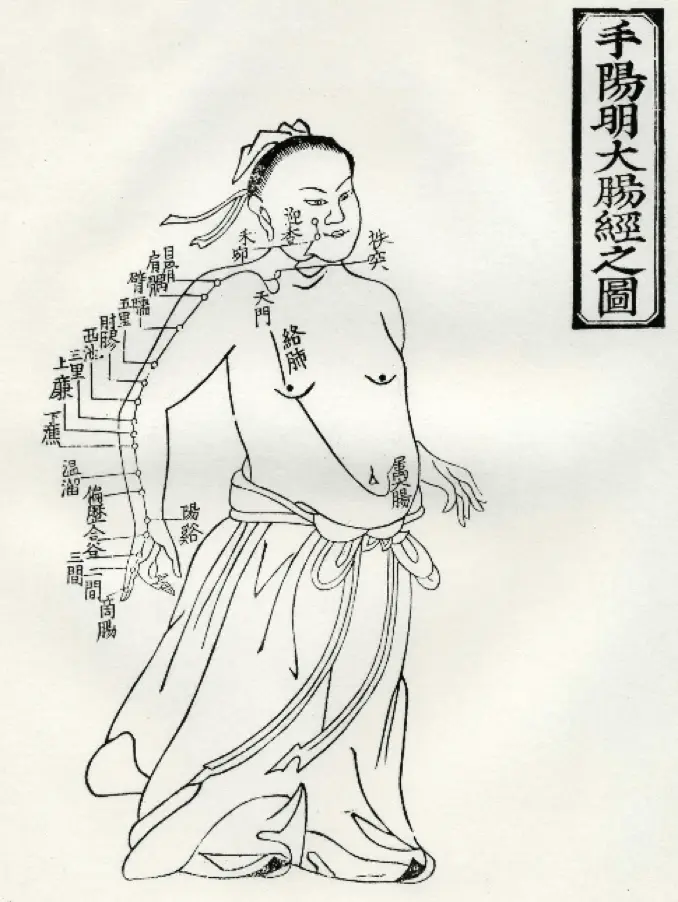
Following this idea, Toyohari is an advanced form of acupuncture that allows the practitioner to restore a healthier state to the patient’s body-mind (regulate the qi)
This healthier state enhances the patient’s natural self-healing ability, accelerating recovery from health issues. Additional treatment methods are then applied as needed to help reduce or eliminate symptoms.
The core treatment to help restore the patient to this healthier state is called the ‘root’ treatment.
Diagnosis of what treatment to do focuses on palpation of the abdomen and the pulses at the wrists.
The main needling methods require specialised training as they involve needling techniques where the needle does not insert into the skin.
Every step of treatment is re-assessed to check that the desired changes are produced. Here palpation of the pulses at the wrist are very helpful.
When treatment focuses on reducing symptoms this part is called the ‘branch’ treatment and often focuses on bodily changes that show in reactive points.
In Toyohari, a number of general and specialised methods are used for branch treatment including:
- Inserting needles or leaving tiny press-tack needles (less than 1 mm long) at reactive points.
- Okyu and Chinetsukyu – applying a form of heat stimulation called moxibustion to reactive points.
- Specialised Toyohari treatments such as naso-muno (treatment of the neck-shoulder and lower abdominal regions); shigo (to target specific pain problems); kikei (specialised extraordinary vessel treatments, good for chronic problems)
In Toyohari, a number of general and specialized methods are used for branch treatment including:
See page Origins of toyohari for a short description of how Toyohari developed and page Recent history of Toyohari for how Toyohari developed more recently outside Japan.
The core treatment approach follows ideas that are found in the oldest books on acupuncture, the Huang Di Nei Jing and the Nan Jing (150 BCE-100 CE)
The theories are quite simple, but the techniques require special training and mastery.
Toyohari is one of the most developed systems of acupuncture because it has developed unique specialised training methods to help students learn the very difficult techniques that would normally take many years to understand.