

In the late 1800s and early 1900s, traditional medicines like acupuncture were retreating across Asia in China, Japan, Korea as Western medicine gained ground there. Enormous changes were taking place in these Asian countries
In Japan by 1915 acupuncture had been restricted to a treatment method following modern ideas about the body, eliminating traditional ideas about acupuncture
By the 1920s a study group arose to re-examine the classical texts from China and Japan and test out clinical ideas in order to help re-establish traditional acupuncture in the twentieth century
This groups was led by a number of practitioners whose studies led by 1939 to the establishment of the system ‘Keiraku Chiryo’ or Meridian Therapy
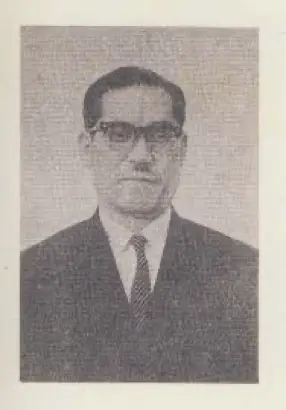
At this time Kodo Fukushima who had been injured and blinded as an anti-war demonstrator finished his acupuncture studies and approached the Keiraku Chiryo group to study.
At their urging he established a study group of other blind practitioners in 1940 to study and practice Keiraku Chiryo
By 1959 this blind practitioner group had developed enough to establish the Toyohari Igakukai (Toyohari Medical Association)
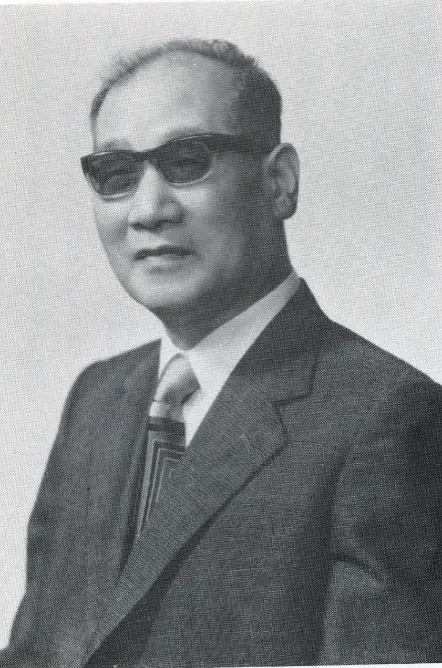
Among the original group was Katsuyuki Kozato who established a novel way of investigating the needling methods and how the body responds to them
With his method the Toyohari Association went through major developments in the 1960s as the diagnostic and needling methods significantly changed and improved